
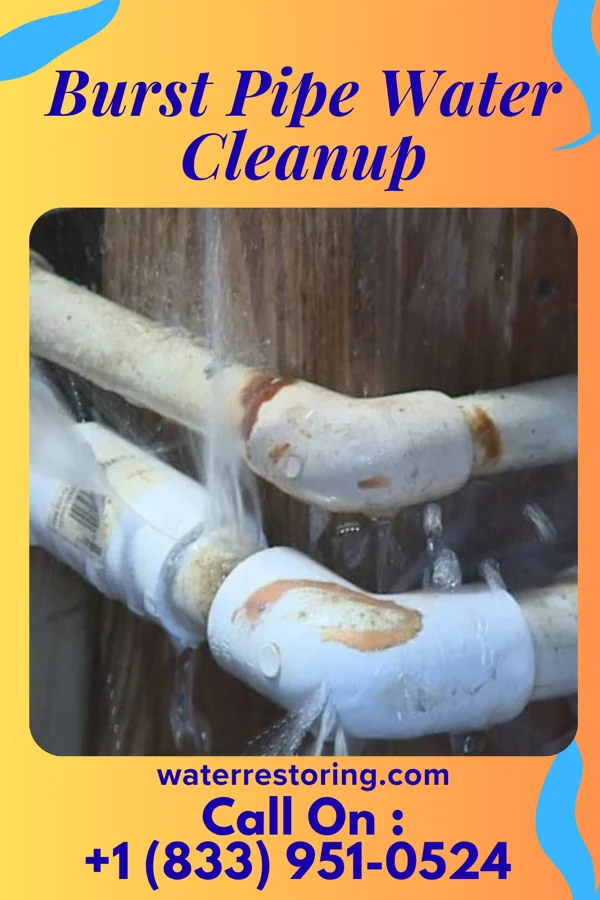
Miles Pipe Burst Risk Drivers
Water damage in Miles tends to cluster in predictable windows because of the local climate. Miles, Texas, located in Runnels County, experiences older infrastructure in rural areas, increasing the risk of pipe bursts due to aging plumbing systems. The proximity to small towns like Rowena and Paint Rock means that residential and commercial properties may not always have up-to-date maintenance practices, which can lead to unexpected water damage. A close second is The rural setting of Miles, Texas, combined with its small population of 872, means that many homes are not equipped with modern water detection systems. This lack of technology increases the likelihood of undetected pipe bursts, which can cause severe water damage before being addressed..
The local climate in Miles, Texas, plays a significant role in pipe integrity. With its dry, hot summers and variable seasonal changes, the region's plumbing systems face unique stressors that can lead to bursts and leaks, requiring prompt and professional water cleanup services.
The local climate in Miles, Texas, plays a significant role in pipe integrity. With its dry, hot summers and variable seasonal changes, the region's plumbing systems face unique stressors that can lead to bursts and leaks, requiring prompt and professional water cleanup services. The dominant local driver is Miles, Texas, located in Runnels County, experiences older infrastructure in rural areas, increasing the risk of pipe bursts due to aging plumbing systems. The proximity to small towns like Rowena and Paint Rock means that residential and commercial properties may not always have up-to-date maintenance practices, which can lead to unexpected water damage., with The rural setting of Miles, Texas, combined with its small population of 872, means that many homes are not equipped with modern water detection systems. This lack of technology increases the likelihood of undetected pipe bursts, which can cause severe water damage before being addressed. showing up as the next most common cause. Damage builds in stages. Spread. Absorption. Microbial growth. Structural compromise. Every stage you pass through adds to the final bill.